Meet Gerald, a Business Architecture Analyst in Accenture
Gerald is a Business Architecture Analyst at Accenture in Ireland. Laura joined the graduate programme in September 2025.



What and where you studied: Postgraduate Higher Diploma in Computer Science at University College Dublin, Bachelor of Science in Children’s and General Nursing at Trinity College Dublin
Dates of graduate programme: September 2025
Gerald Jalagna is a Business Architecture Analyst. Originally studying Children's and General Nursing at Trinity College Dublin, he later pursued qualifications in Digital Transformation and Computer Science at University College Dublin before making the transition into consulting. Since joining Accenture, he has enjoyed working across different industries, learning from experienced colleagues and getting involved in graduate and community initiatives.
Why did you choose this industry, and this company in particular?
My route into technology was not a traditional one. I originally studied Children's and General Nursing at Trinity College Dublin and started my career in healthcare. Although I enjoyed that experience, I became increasingly interested in how technology could improve services, support better ways of working and create meaningful impact for both organisations and the people they serve. I realised I wanted a career that combined problem solving, creativity, continuous learning and the opportunity to work on real business challenges.
One belief that has guided my journey: I genuinely believe that anyone can learn something new and reinvent themselves if they are willing to put in the effort. That mindset gave me the confidence to move into a completely new industry and continues to motivate me today.
I was first introduced to Accenture at a graduate careers fair in UCD. After speaking with members of the graduate programme and recruitment team, I left with a really positive impression of the company and decided to learn more. As I researched further, I was impressed by Accenture's global scale, strong reputation and the opportunity to work across a variety of industries and technologies. With a large global workforce and a long-standing reputation among graduates, it felt like the ideal place to start my career.
Rather than being limited to one industry or technology, the graduate programme offered me exposure to different teams, clients, and career paths. I was also attracted to the strong emphasis on learning and development. Coming from a non-traditional background, I wanted an environment where I could continue building my technical and professional skills while being supported by experienced colleagues.
Can you describe a typical day in your role? What are your favourite parts of the work you do?
One of the things I enjoy most about my role is that no two days are the same. My day usually starts by reviewing my inbox, checking any outstanding actions and planning my priorities. I then join team meetings or daily stand-ups where we discuss progress, upcoming activities and any challenges that need to be worked through.
In my current role within software quality engineering, I work closely with teammates to support testing activities, investigate defects and collaborate with different teams to resolve issues before software is delivered. This often involves analysing problems, understanding how systems should behave and working with others to find the best solution.
My favourite part of the role is the problem-solving aspect. Every challenge is different, and I enjoy working through issues and understanding the bigger picture behind them. It's also rewarding to see a project progress and know that your work has contributed to delivering a better outcome.
I also enjoy the variety that comes with consulting. I have the opportunity to work with people from different backgrounds and disciplines, and every project brings new learning opportunities.
Did your responsibilities and workload change as the programme progressed? Do you get to work with more senior members of staff and different departments?
Definitely. During my first few months, my main focus was learning how projects operate, understanding new technologies and building confidence in my role. A lot of my time was spent asking questions, observing experienced colleagues and developing my understanding of the project environment.
As the programme progressed, I was trusted with greater responsibility and ownership of my work. I became more involved in planning and coordinating testing activities, managing actions and contributing more actively during meetings. Tasks that initially felt unfamiliar gradually became areas where I could work more independently.
I've also had opportunities to collaborate with senior colleagues and people from different teams and disciplines. One experience that stands out was leading meetings where senior team members relied on information, I presented to support discussions and decision-making. Having my contributions valued gave me confidence and reinforced that I was becoming an important part of the team.
Outside of project work, I've also organised graduate events, attended learning workshops, and supported corporate citizenship initiatives and delivered presentations, which has helped me develop leadership, organisation and communication skills.
What have been the most challenging parts of working life since taking up this programme? Is there anything you wish you knew before starting?
The biggest challenge has been learning multiple systems, tools, business processes and industries in a relatively short period of time. Every project introduces something new, whether that's a technology platform, a business domain or a different way of working. At first that can feel daunting, particularly when you're starting a new career.
Over time, I've realised that this is also one of the most rewarding parts of consulting. You're constantly learning, adapting and expanding your perspective, which makes the work interesting and helps you grow quickly.
Another challenge is keeping up with the pace of technological change, particularly with developments in artificial intelligence. There's always something new to learn, but I see that as an opportunity rather than a difficulty because it encourages continuous growth.
If I could give myself one piece of advice before starting, it would be not to worry about having all the answers. Nobody expects graduates to know everything on day one. What matters most is being curious, asking questions and being willing to learn. Some of my biggest learning moments came from stepping outside my comfort zone and getting involved.
Would you recommend the graduate programme at this company to others? Why?
I would recommend the Accenture graduate programme. From my first day, I found my colleagues to be approachable, supportive and genuinely invested in helping graduates succeed. That creates an environment where you feel comfortable asking questions, learning from others and building confidence.
Another aspect of the programme that I really valued was the support network available from day one. When I joined, I was assigned a buddy who had already spent over a year on the graduate programme. Having someone who had recently been in my position made the transition much easier, as they could offer practical advice, answer questions and provide a familiar point of contact whenever I needed guidance.
I was also assigned a People Lead, a senior colleague who acted as a mentor and career guide, helping me navigate my development, explore opportunities and think about my longer-term career goals. Having both a peer perspective and senior guidance helped me settle in quickly and build confidence as I started my career.
Another part of the programme I would highlight is the social aspect. There are plenty of opportunities to connect with other graduates through social events, sporting activities, physical wellbeing, town halls, ‘lunch and learns’ and wider graduate initiatives. These have been a great way to build relationships beyond day-to-day project work and feel part of a wider community. More recently, I have been attending social tennis and padel with other graduates, which has been a really enjoyable way to engage with colleagues in a more informal setting.
What advice would you like to give to future graduates who are just starting out?
My biggest piece of advice is simple: say yes to opportunities.
You never know where a conversation, a project or a new experience might lead, or who you might meet along the way. Looking back, many of my most rewarding experiences came from putting myself forward, even when it meant stepping outside my comfort zone. Whether that was taking ownership of meetings, organising graduate events, volunteering through corporate citizenship initiatives or embracing new challenges on projects, every opportunity helped me grow.
I'd also encourage graduates not to compare their journey to anyone else's. Everyone starts with different experiences, strengths and areas they want to develop. Your career doesn't have to follow one straight path. My own journey from healthcare into technology certainly wasn't a straight line, but every experience taught me something valuable.
Be curious, ask questions and take the time to learn from the people around you. Early in your career, your willingness to learn is often more important than what you already know.
Most importantly, enjoy the experience. Build relationships, get involved and make the most of everything the graduate programme has to offer. The technical skills you develop are important, but the confidence you build, the people you meet and the experiences you gain are what will shape your career long after the programme finishes.


Our top picks


.webp)

.webp)


INDUSTRY LEADERS



Related roles
Trending in these sectors
FEATURED EMPLOYERS


You might be interested in...




-compressed.webp)


.webp)


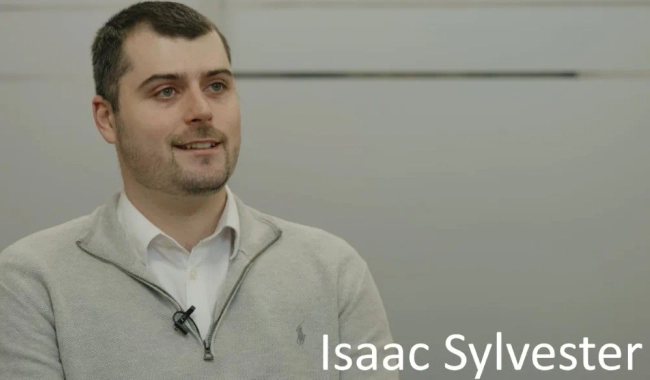
#Gradstories: Isaac Sylvester, a Consulting Development Analyst at Accenture




MORE EMPLOYERS

.webp)


